




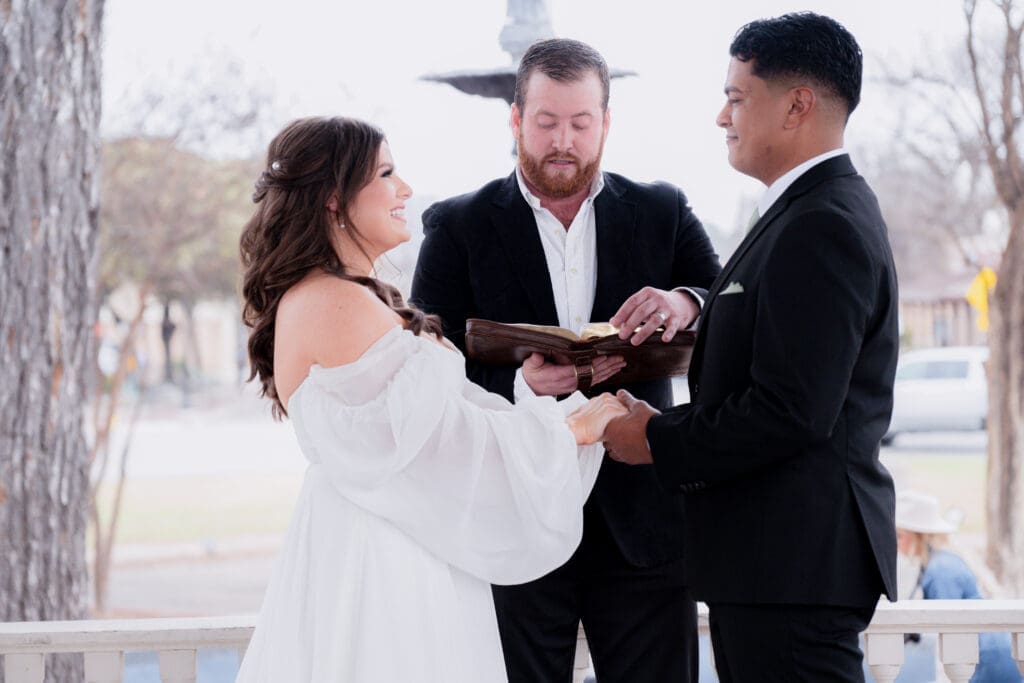
Getting legally married in Texas is a straightforward process, but there are a few important legal requirements you must follow. This guide will walk you through obtaining your marriage license, choosing an officiant, understanding witness requirements, learning whether your pets can participate in your ceremony, navigating waiting periods, and scheduling a courthouse appointment in Austin or any places in Texas.
Step One: Obtain Your Marriage License
Before you can get married in Texas, you must obtain a marriage license from a county clerk’s office.Both partners must appear in person at a county clerk’s office to apply. You will need to bring valid government-issued identification and be at least 18 years old. The clerk will collect basic information, have you swear an oath, and issue your license the same day. Once issued, a Texas marriage license is valid anywhere in Texas for 90 days. That means you can apply in one county and use the license in another. In Austin, you can get your license through the Travis County Clerk. The main office is in the Civil Family Courthouse, and the county clerk’s website has detailed information on the application process, requirements, and fees.
Useful links for the Austin area:
Marriage License information from Travis County Clerk:
https://countyclerk.traviscountytx.gov/departments/recording/marriage-license/ Travis
County Clerk official homepage:https://countyclerk.traviscountytx.gov/
Marriage License information from surrounding areas:
- Fredericksburg: https://www.fbgtx.org/782/Weddings
- Wimberly , Dripping Springs & San Marcos: https://www.hayscountytx.gov/county-clerk/records-division
- Round Rock: https://cityapplications.com/marriage-licenses/TX-Texas/mrg-RoundRock.html#google_vignette
- Lockhart: https://www.co.caldwell.tx.us/page/CountyJudge
- New Braunfels: https://www.comalcounty.gov/215/All-Clerk-Forms
Step Two: Waiting Period and Validity
Texas law includes a 72-hour waiting period between the time the marriage license is issued and the earliest you can use it for your ceremony. This means you can apply early and plan your ceremony date at least three days later. Your marriage license remains valid for 90 days after issuance. If you do not use it within that time, you will need to apply again for a new license. There are a few exceptions or ways to waive the waiting period. These typically include active-duty military service, completion of a state-approved premarital education course, or obtaining a judicial waiver.
Step Three: Do You Need an Officiant?
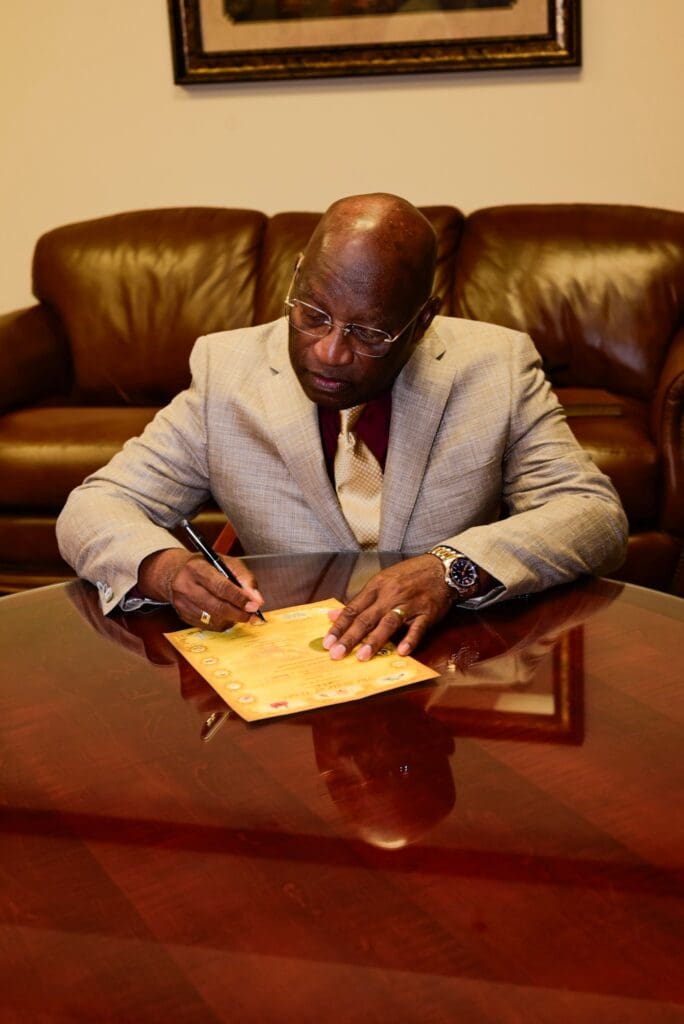
Yes. In Texas your marriage ceremony must be performed by an authorized officiant. Texas law requires that the person who conducts your ceremony is legally permitted to solemnize marriages in the state. This includes: Judges, justices, and retired judges of various courts Justices of the peace Licensed or ordained religious officials or ministers who are authorized by their organization to conduct weddings Texas does not allow self-solemnized or “self-uniting” marriages, meaning you cannot marry yourselves without an officiant, even if you sign your own license.
Step Four: Can Pets Be Witnesses?

Texas does not require witnesses for your marriage license to be valid. Because pets cannot sign legal documents, they cannot serve as official witnesses. If you choose to include pets in your ceremony for fun or photos, that is absolutely fine, but they will not be part of the legal paperwork.
Step Five: Do You Need a License From the State You Get Married In?
Yes. For your marriage to be legally recognized in Texas, your marriage license must be issued by a Texas county clerk’s office. A marriage license from another state or from outside Texas generally does not replace the requirement if your ceremony is in Texas. However, a Texas marriage license is in many cases valid statewide, so you can apply in one county and get married somewhere else in Texas.
Step Six: How to Make Your Appointment at the Courthouse
In Travis County, many couples schedule their wait time or application appointment through the Travis County Clerk’s office. In some cases, you can request an appointment online or by calling. Due to high demand, appointment availability may fill up, but you can sometimes visit the recording division at the courthouse as a walk-in if there is availability. The clerk’s office is typically open Monday through Friday during business hours, and appointments help streamline the license application process. For ceremonies at the courthouse itself, such as a civil wedding officiated by a judge, you may contact the clerk’s office or a judge’s office in advance to set a specific time. Another option is to contact local officiants such as Katrina Baecht – Spoken Heart Ceremonies, Spike Gillespie, or Let’s Do It Vows: Sarah Reed who can perform your ceremony and help navigate the process.
Final Checklist
Before you go:
- Both partners must bring valid ID and know their Social Security numbers if applicable.
- Be ready for the 72- hour waiting period after the marriage license is issued.
- Choose an officiant who is authorized under Texas Law.
- Plan to have your officiant return the signed license to the county clerk within the required time.
Planning your legal marriage in Texas does not have to be confusing. Start by visiting the Travis County Clerk’s official site or calling their office to schedule your appointment for a marriage license. If you need help finding the right officiant or preparing for your ceremony, reach out to a local officiant or wedding professional who can guide you through each step. Your journey to legally marry your partner in Texas begins with that first visit to the courthouse.


Be the first to comment